Meditation Library
🌿
MindfulnessBeginner
Mindfulness Meditation
Training the mind to rest in the present moment, aware of thoughts, sensations and surroundings without judgment.
10-20 minutes
Best For
BeginnersStress reliefDaily wellbeingBusy professionals
Benefits
- Reduced stress and anxiety
- Better focus and concentration
- Improved emotional regulation
- Lower blood pressure
- Enhanced self-awareness
How It Works
By anchoring attention to the present moment — usually the breath — the practitioner notices when the mind wanders and gently returns, building attentional control.
Step-by-Step Guide
- 1
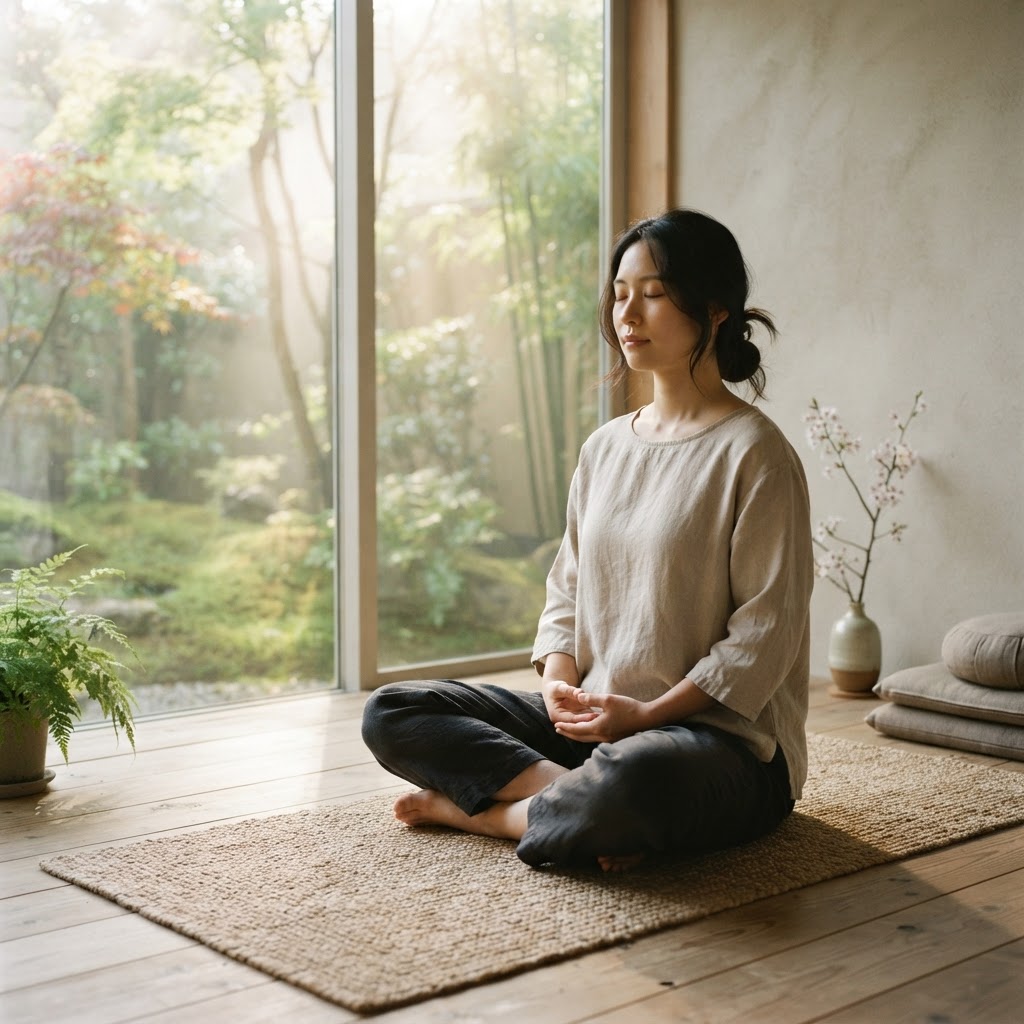
Sit comfortably with a straight back
- 2
Close eyes or soften gaze downward
- 3
Bring attention to the sensation of breathing
- 4
When the mind wanders, notice without judgment and return
- 5
Expand awareness to sounds, sensations and thoughts as they arise
- 6
Close with a moment of gratitude
Common Mistakes
- Trying to stop thinking entirely
- Judging yourself for wandering attention
- Rushing the practice
- Tensing the body to 'force' focus
History
Rooted in Buddhist contemplative traditions, mindfulness was secularized and popularized by Jon Kabat-Zinn in the 1970s through MBSR.
Origin
Buddhist tradition; modernized in the West